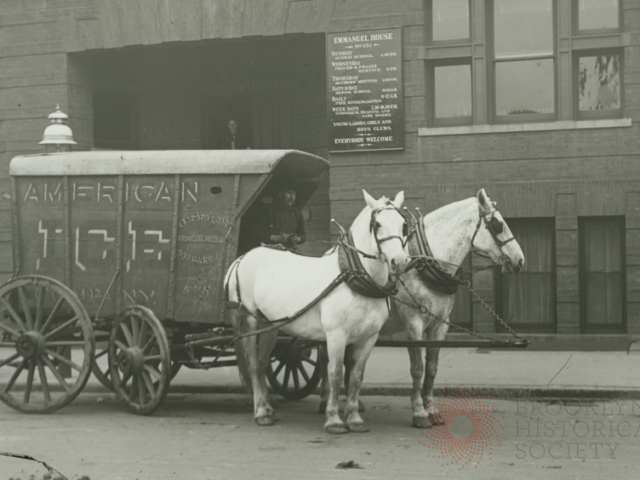
The Ice Trust: How a Monopoly Squeezed New York’s Tenement Families
Today, ice is produced automatically inside refrigerators. In 1900, it was part of the city’s basic food system. Families placed blocks of ice inside insulated wooden cabinets known as iceboxes. The block slowly melted while keeping milk, meat and other perishable foods cool. During warm weather, it had to be replaced constantly. A household that could not afford ice had few ways to keep food from spoiling. New York consumed...
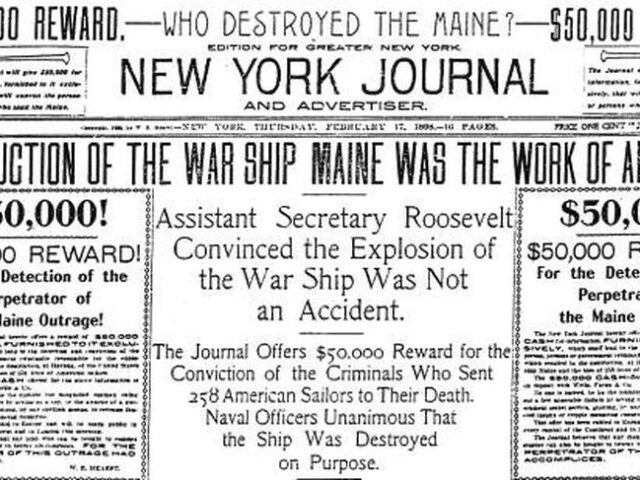
NYC’s Newspaper Wars and the Invention of “Fake News”
How Pulitzer and Hearst invented outrage journalism in 1890s New York — and built the template cable news and social media still use today.
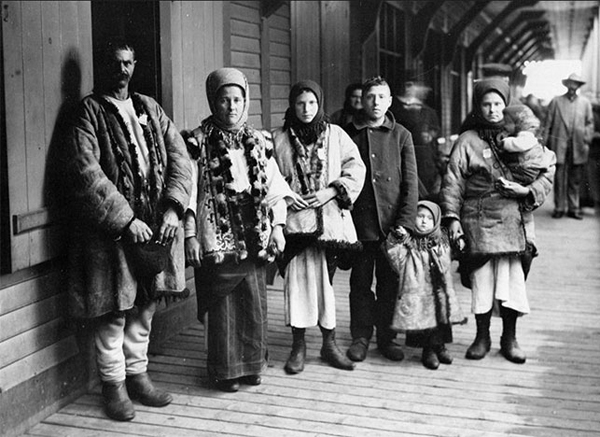
Slavic NYC: The Deep Roots of Eastern Europe in the Five Boroughs
Wars, famines, generations of political turmoil... Slavic people have endured some of the worst hardships in modern human history. National boundaries have been drawn and redrawn over and over again. By the late 19th century, America gave some reprieve from the disorder, as our doors opened to welcome many of these European immigrants. My Russian and Ukrainian family started immigrating to NYC in 1909. What they left behind, nobody knows....
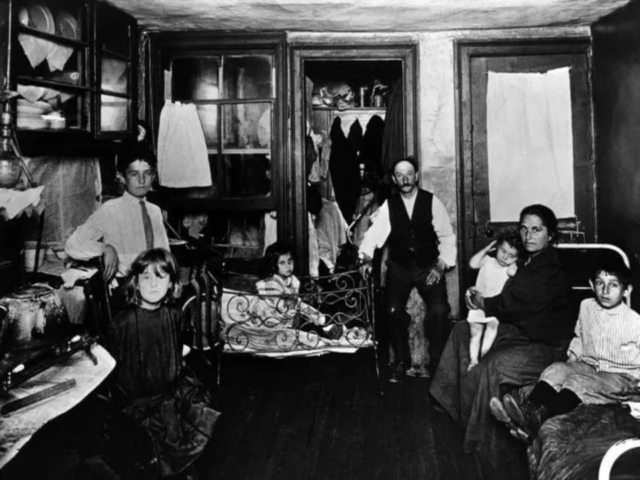
Cost of Living in NYC in 1900 vs Today: Rent, Wages, and Real Life
Rent in 1900: Cheap on Paper, Hard in Reality At the beginning of the twentieth century, many working-class New Yorkers lived in tenement buildings in neighborhoods like the Lower East Side. These apartments were small and often poorly ventilated. Bathrooms were frequently shared with other tenants in the hallway or courtyard. A typical tenement apartment rented for about $10 to $14 per month around 1900. Adjusted for inflation, that is...

The Proposed Brooklyn-Battery Bridge
This article is adapted from the upcoming book People vs. Power: The Real Estate Battles That Shaped New York City by LESHP founder, Eric Ferrara. The book examines historic land use and development conflicts across the Five Boroughs, focusing on how communities responded to major planning decisions. COMING SOON! The People: Preservationists, federal officials, historians, civic reformers The Power: Robert Moses, the Triborough Bridge and Tunnel Authority, City Hall...
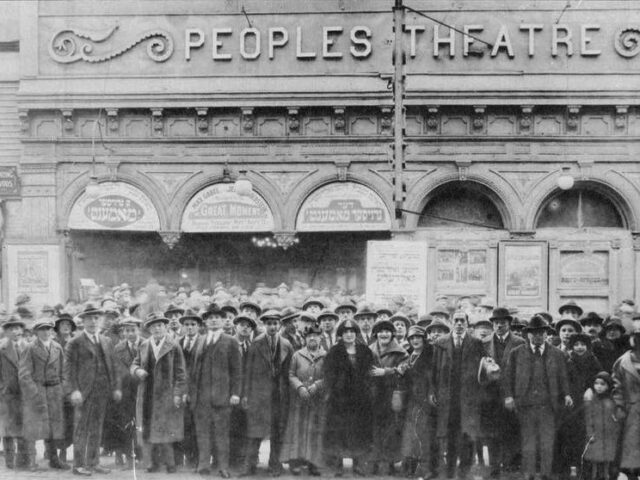
Hey Putz, This is How Yiddish Became the Secret Language of American Culture
“A Language Without a Country” Comes to America Yiddish—a fusion of German, Hebrew, Aramaic, and Slavic languages—was born in medieval Central Europe. For centuries, it thrived in the shtetls (market towns) of Eastern Europe as the everyday tongue of Jews, carrying their jokes, prayers, and lullabies. But pogroms, poverty, and antisemitism drove millions to America, where they crowded into tenements on the Lower East Side. By 1910, over 350,000 Jews lived on...
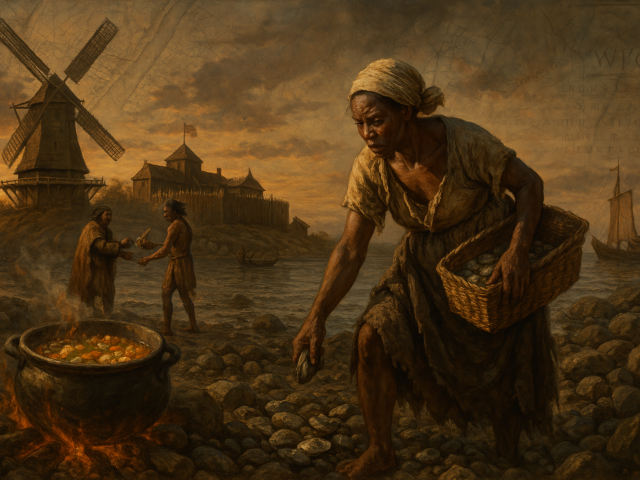
What Was An Enslaved African’s Diet Like in New Amsterdam?
The Colonial Food System Enslavers, primarily the Dutch West India Company (WIC) and private colonists, provided minimal sustenance to enslaved laborers. Archival records from the 1660s outline weekly rations as “half a bushel of maize, four pounds of pork, and half a barrel of small beer” per person. These rations were neither consistent nor sufficient. Maize, often ground into coarse meal, formed the dietary staple, while salted pork supplied meager...
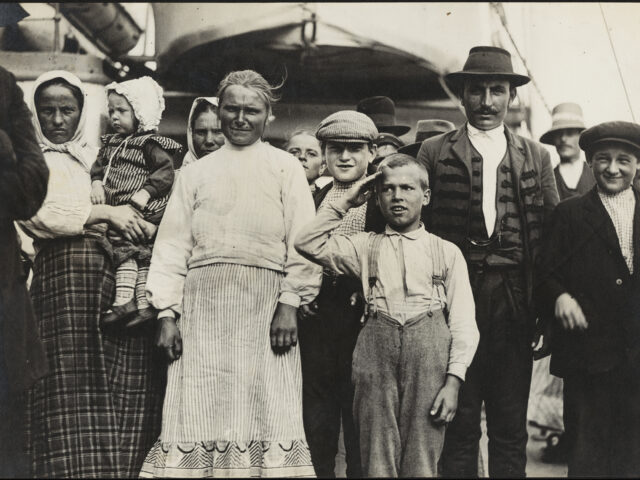
The Dark and Forgotten History of Italian Immigration I bet You Didn’t Know
I have been doing lectures, giving tours, and teaching classes at universities for over two decades, and to my disappointment, 90% of people I teach—including Italian Americans—never learned the true, dark history of how many our ancestors arrived to the United States. It is just not taught in schools, and somehow, History Channel and the like conveniently avoid the topic. When I ask Italian Americans what they think, most say...
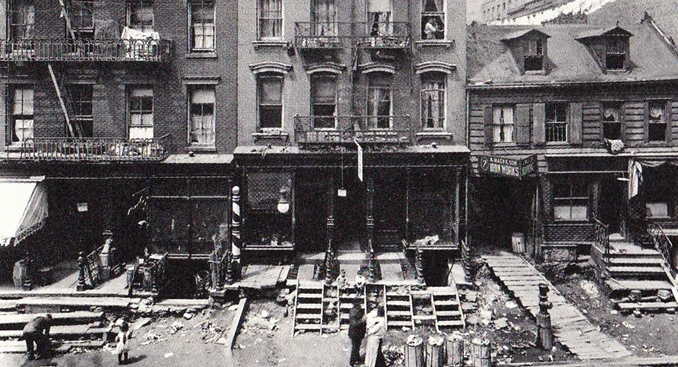
Who planned, funded, and built the tenements of NYC?
Historical Context: Urbanization and the Demand for Housing The Lower East Side’s transformation into a dense immigrant enclave began in the early 19th century, driven by New York’s emergence as a global port. Completed in 1825, the Eerie Canal provided easy access to middle America, and NYC became the first stop. It is what made NYC different from any other port city on the East Coast, and turned it from...
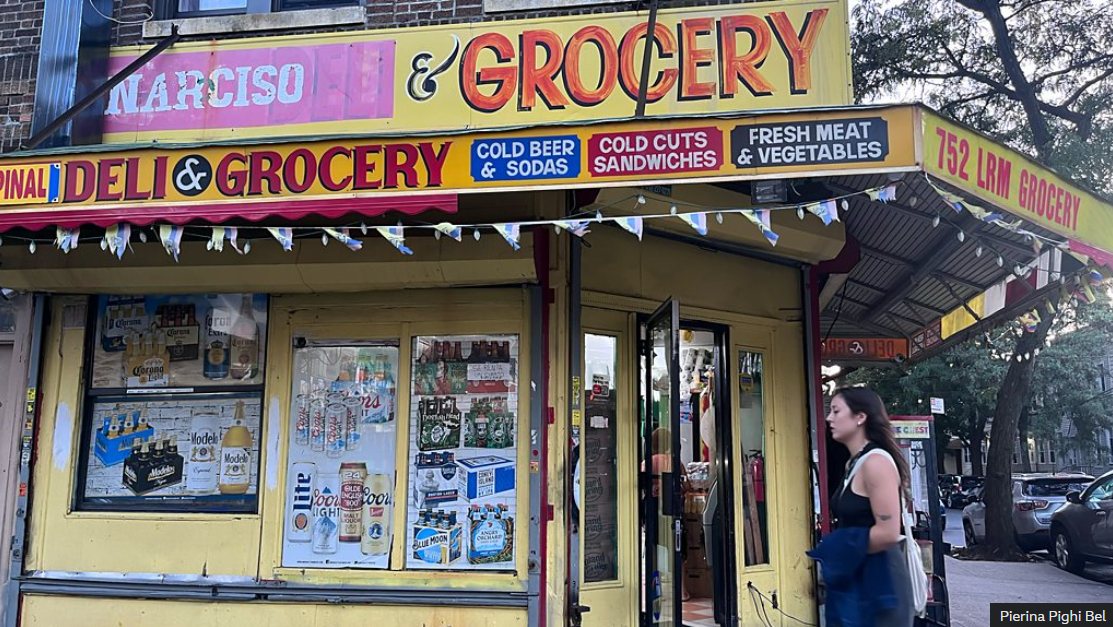
The History of NYC Bodegas
Bodegas are instantly recognizable: hand-painted signage—often yellow with red lettering—and handwritten signs advertising Lotto or bottled water. The windows adorned with beer ads or images of sandwiches that look nothing like the real thing. The plump and friendly cat patrolling the narrow aisles. A classic bodega often features hand-painted murals, like symbols and scenes of the Caribbean or tributes to local residents who passed away. A bodega can never be...
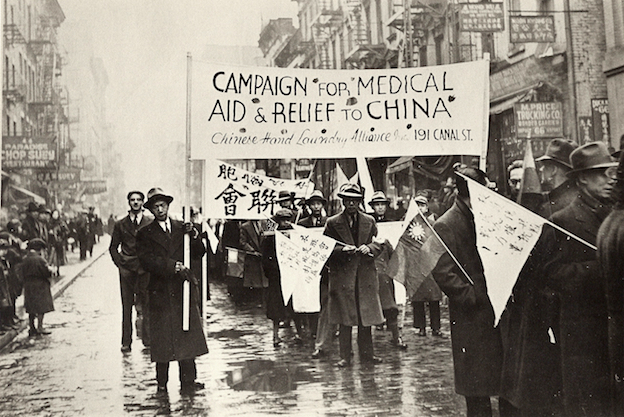
Black, Puerto Rican, and Chinese Mutual Aid Movements of the Lower East Side
1. Black Mutual Aid on the Lower East Side (1800s–1970s) Long before the Great Migration brought Southern Black families to Harlem, free and fugitive Black New Yorkers carved out spaces of autonomy in in and around our neighborhood. By the 1830s, thousands of Black residents lived in the area. Here are a just a few solidarity movements. African Society for Mutual Relief (1808–1940s): Founded by abolitionist James McCune Smith (the first Black...
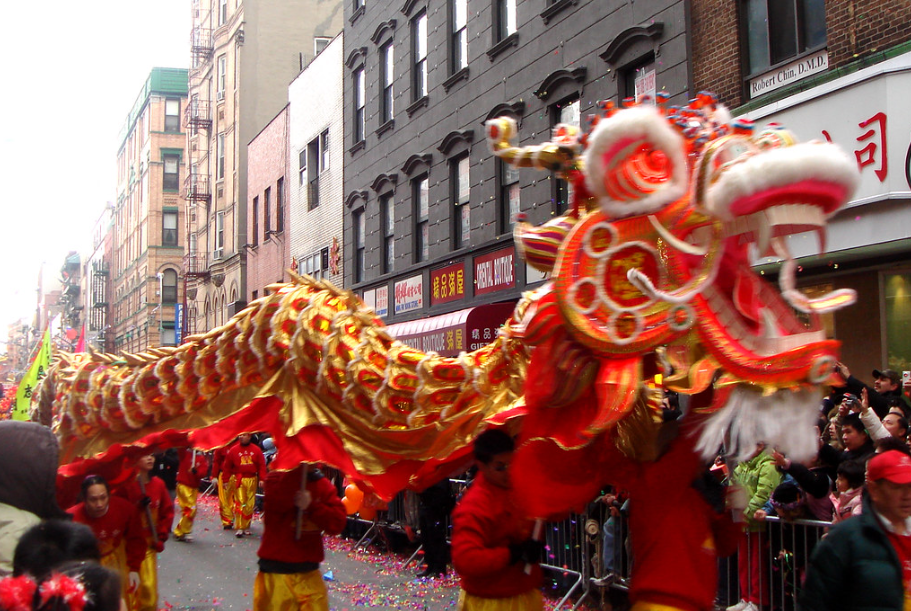
The Origins of Chinese New Year Celebrations in NYC
Ancient Origins The origins of Chinese New Year stretch back over 3,500 years to the Shang Dynasty (c. 1600–1046 BCE). While its exact beginnings are debated, historians link the festival to agrarian society’s reliance on lunar cycles for planting and harvesting. Ancient Chinese myths also imbue the holiday with symbolic meaning. One enduring legend speaks of Nian (年), a fearsome beast that terrorized villages each spring, devouring crops and people. Villagers discovered...
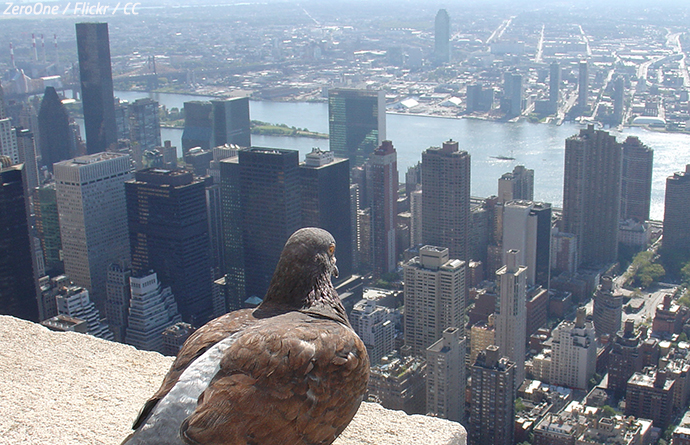
How NYC Pigeons Got a Bad Rap
How NYC pigeons went from revered companions to "rats with wings," their rich history, role in the city, and why they deserve a second look
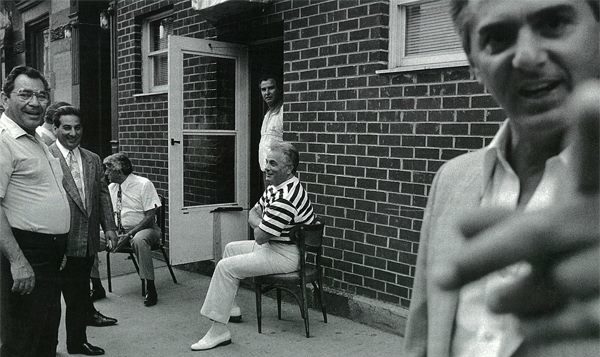
Top 5 Myths About the American Mafia
Myth #1: There is no “Mafia” in America Well, technically, that is true. There is Italian-American organized crime, but there is only one true “Mafia” in the world, and that is in Sicily. While I’m nitpicking here, many people are unaware that the term “Mafia” is strictly a Sicilian word. Even in the Old Country, there are several high-powered criminal organizations, but only one “Mafia.” In Calabria, the crime syndicate...
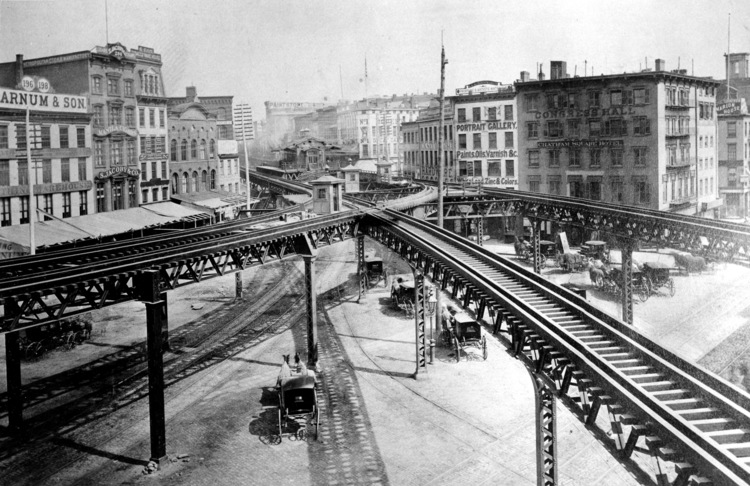
The Rise and Fall of NYC’s Elevated Trains
The End of Elevated Trains in New York City: A Turning Point in Transit History Elevated railroads, or "els," once dominated Manhattan’s skyline, running along major avenues such as 2nd, 3rd, 6th, and 9th. By the 1930s, these iron giants were facing their twilight. Initially hailed as marvels of engineering when the first line opened in 1868, elevated trains became symbols of obsolescence and urban blight as the city grew...
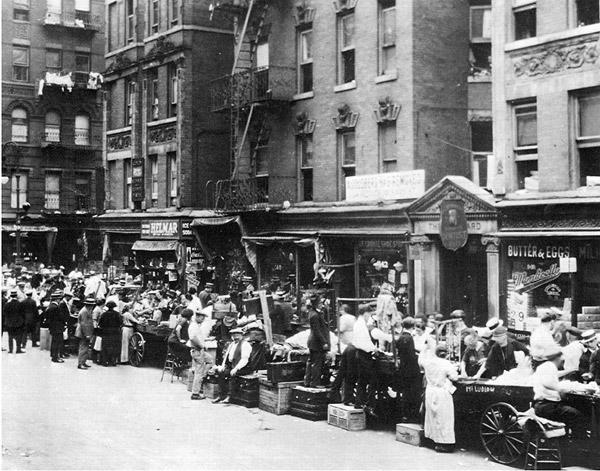
The Evolution and Legacy of Lower East Side Pushcarts
In the bustling streets of early 20th-century New York City, pushcarts were more than just mobile marketplaces; they were lifelines for immigrants, hubs of entrepreneurial spirit, and sources of vibrant street culture. But the story of pushcarts in New York goes back even further. As early as the mid-19th century, German immigrants were among the first to embrace street vending as a means of survival. Many German vendors catered to...
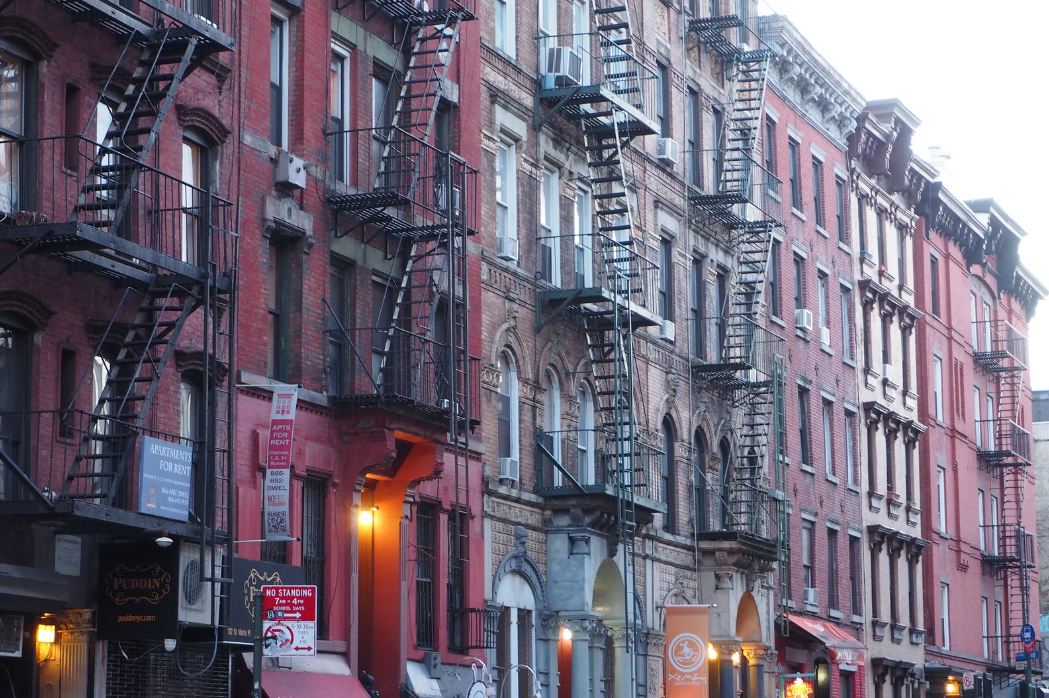
A Comprehensive Guide to St. Marks Place
St. Marks Place has a rich and vibrant history, evolving from an elegant residential district in the early 19th century to a hub of counterculture and artistic expression in the 20th century. In the early 1800s, St. Marks Place was home to grand Federal and Greek Revival townhouses, attracting wealthy residents. However, by the mid-19th century, the area began to decline, with the influx of German immigrants transforming it into...
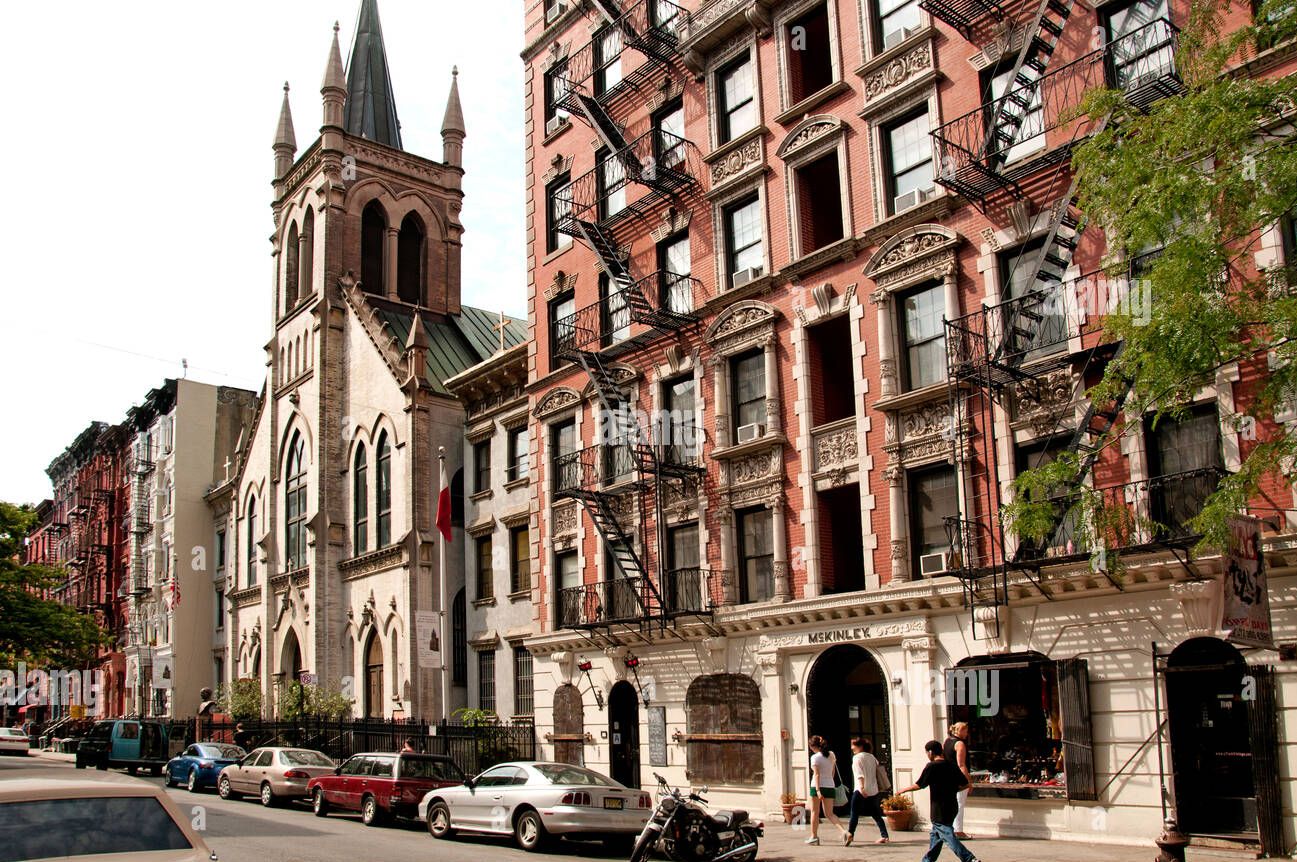
Who Were The Non-Jewish Immigrants of the Lower East Side?
The Diverse Immigrant Communities of the Lower East Side: A Look Beyond Jewish Populations Though the Lower East Side is often recognized for its Italian, Asian, Hispanic, Irish, and German communities, it is most famously associated with Jewish immigrants. However, this historic Manhattan neighborhood was also home to other important, yet often overlooked, immigrant groups, including Orthodox Ukrainians, Poles, Hungarians, Lithuanians, Albanians, Syrians, Lebanese, and Turks. These diverse communities enriched...
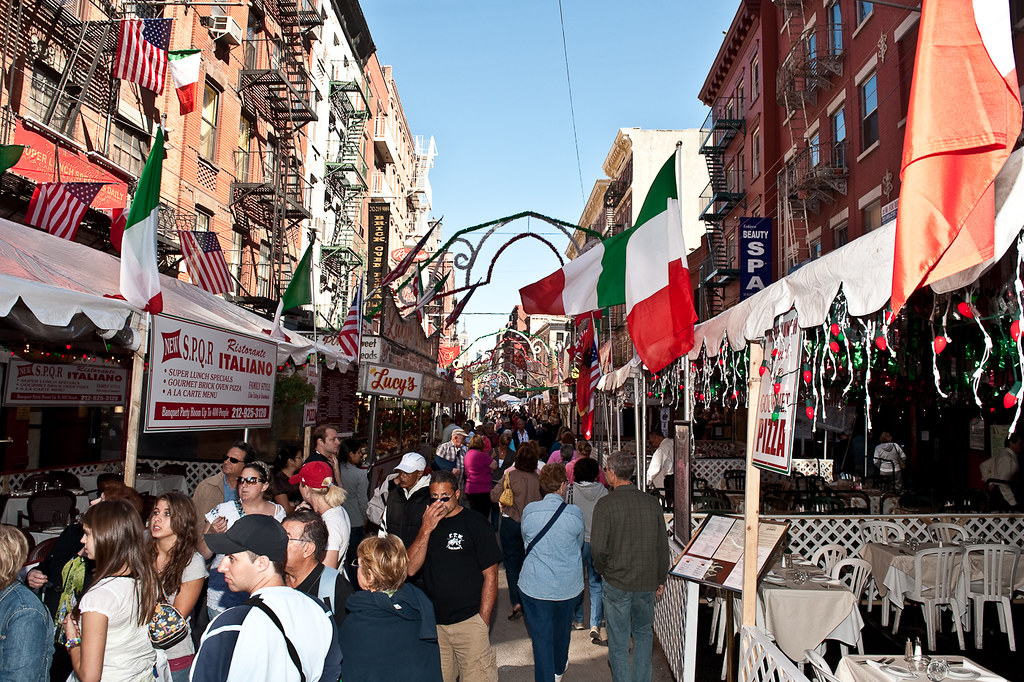
The Importance of NYC’s San Gennaro Feast: It’s More Than Sausage & Peppers!
Everybody loves the Feast of San Gennaro, but for different reasons. I've seen many newscasts this week claiming, "The food is the centerpiece of the festival!" Well, not for everyone. Traditional Italian Americans would say that the mass and procession are the true centerpiece. I'd wager that 90% of festival-goers aren't even aware of the importance of what is one of the last authentic cultural experiences left in New York...
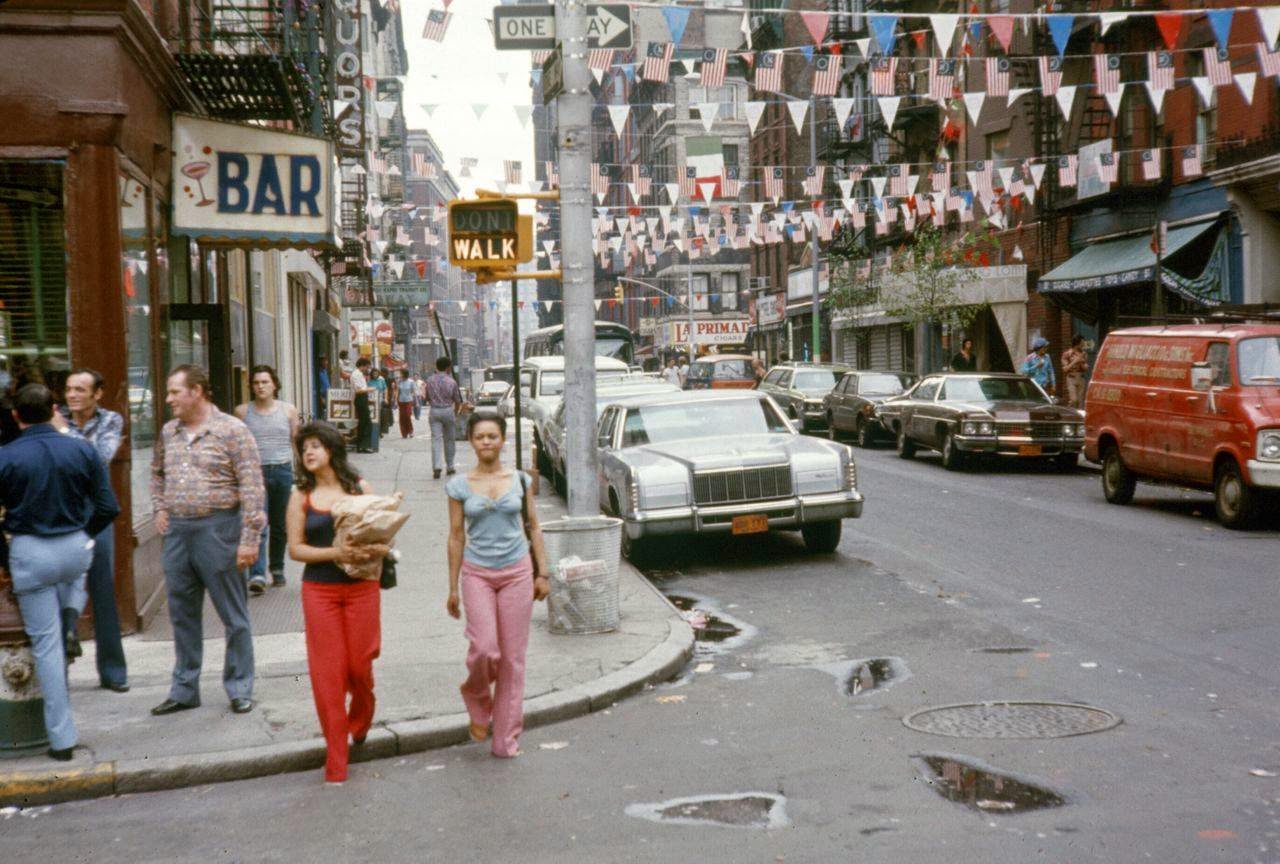
No, Chinatown Did Not “Take Over” Little Italy
I see numerous comments a day on social media posts claiming "Chinatown took over Little Italy." These comments sadly show a deep misunderstanding of not only Italian-American history, but NYC history in general. (I'd like to think it is ignorance and not xenophobia.) Well, I would like to offer the following alternative narrative. Article takeaways: Chinese settled in the district about the same time, if not a little earlier than...